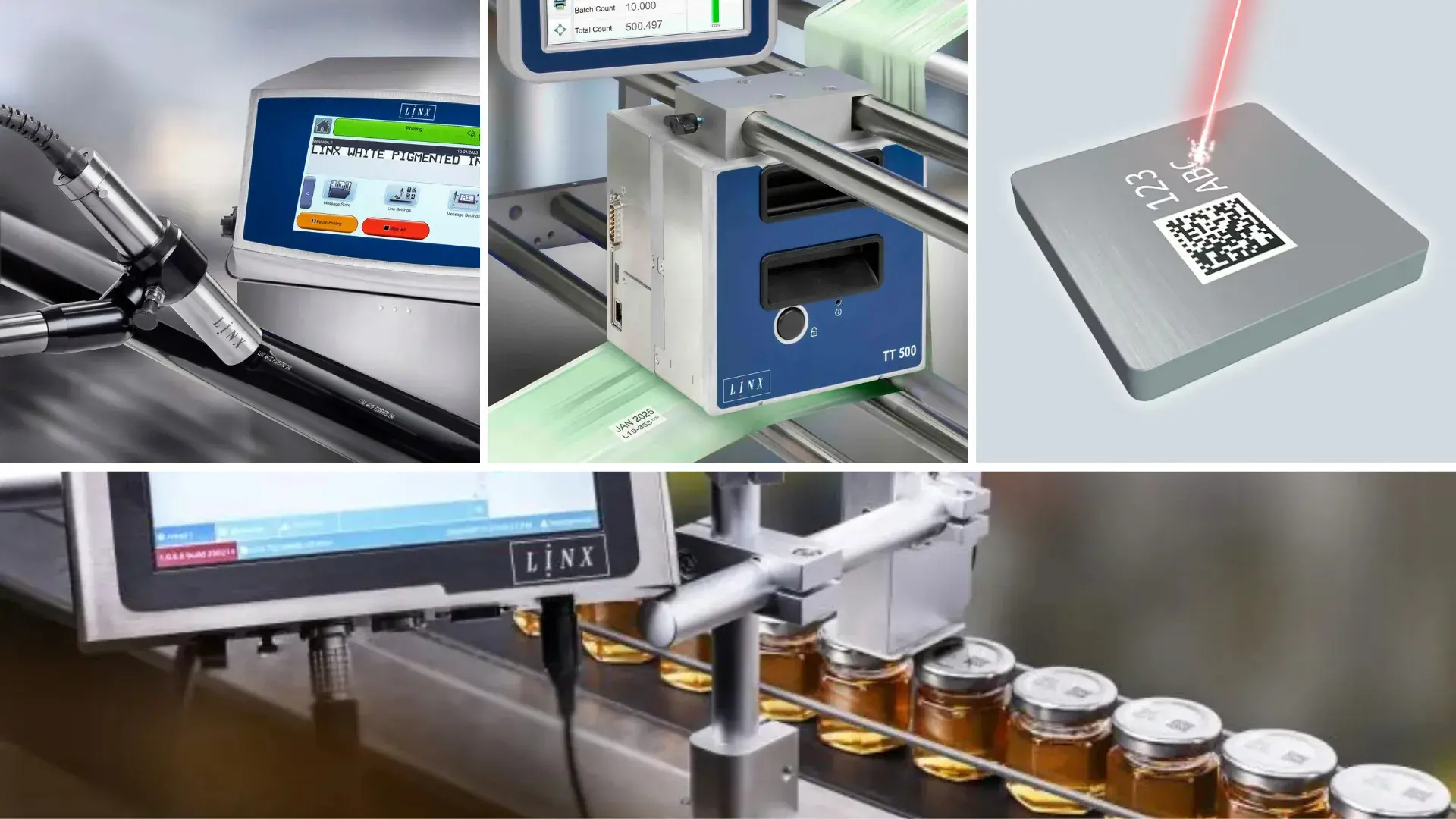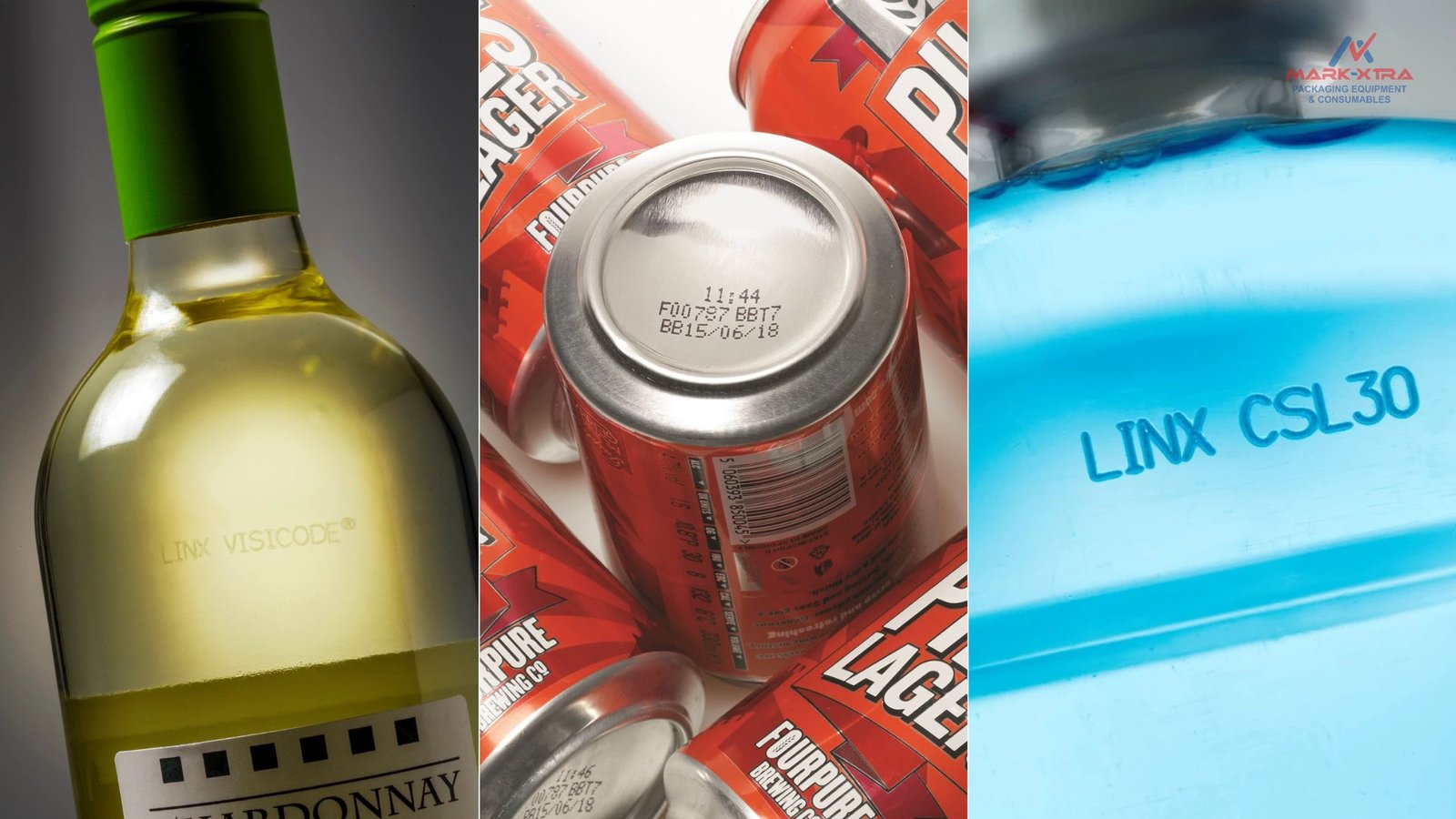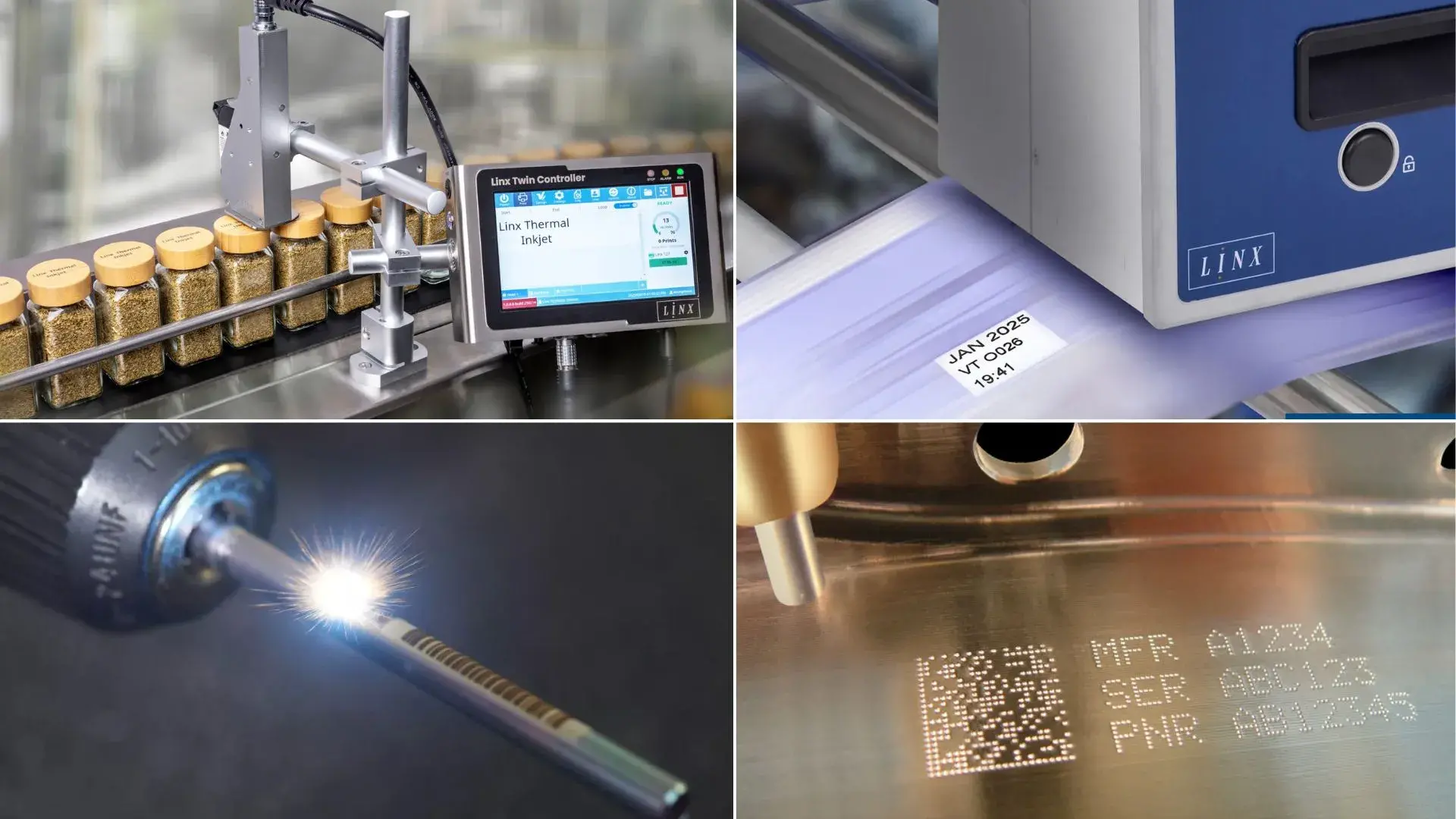
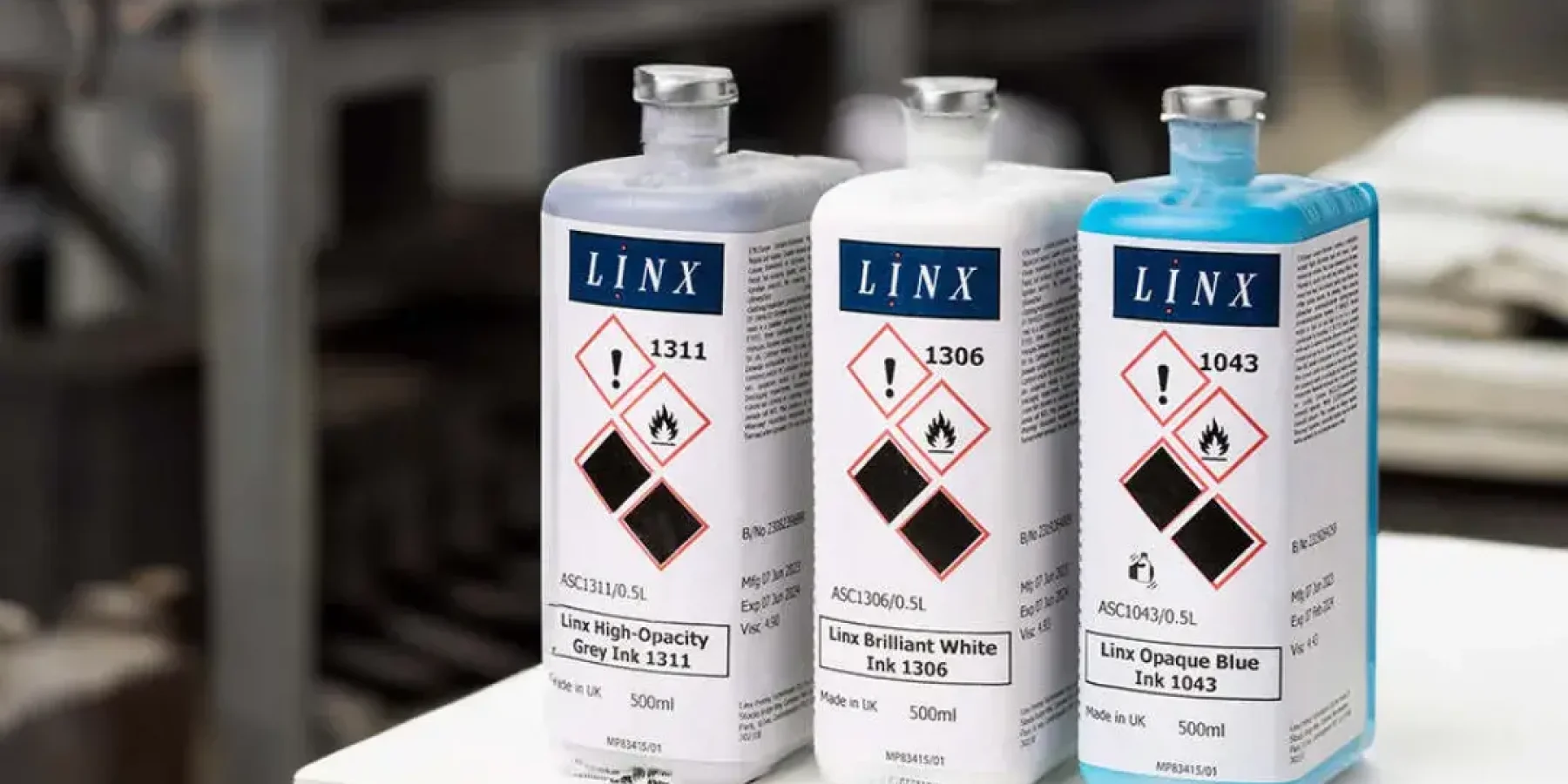
In modern manufacturing, accurate product marking is essential for traceability, quality control, and regulatory compliance. While industrial inkjet printers are crucial for high-speed and versatile marking, the quality and type of industrial ink used directly determines the durability, clarity, and reliability of printed codes, batch numbers, expiration dates, and logos.
Why Industrial Ink matters in inkjet printing
Industrial ink is specially formulated to meet the demands of high-speed printing and harsh production environments. Its properties affect every aspect of marking quality:
- Durability – High-quality industrial ink resists fading, smudging, or abrasion, ensuring markings remain readable throughout the product’s lifecycle.
- Legibility – Sharp, clear prints are critical for barcodes, QR codes, and traceability labels. Poor ink can compromise automated scanning or regulatory compliance.
- Surface Compatibility – Different inks adhere to specific materials, such as metals, plastics, glass, or cardboard. Correct selection prevents peeling or loss of markings.
- Fast Drying – Industrial inks must dry quickly in high-speed production lines, avoiding smears and production delays.
- Regulatory Compliance – In industries like food, beverage, and pharmaceuticals, inks must meet safety and environmental standards (FDA, EU, or ISO).
Types of Industrial Ink used in inkjet printers
Industrial inkjet printers typically use inks designed for specific applications:
- Solvent-based industrial ink: Strong adhesion and durability for metals, plastics, and outdoor packaging.
- Water-based industrial ink: Environmentally friendly, fast-drying, ideal for paper and sensitive packaging.
- UV-curable industrial ink: Cures instantly under UV light, producing highly durable and precise markings.
- Thermal inkjet industrial ink: High-resolution ink for packaging, barcodes, and batch coding.
Choosing the correct industrial ink ensures consistent performance, sharp markings, and long-lasting durability, regardless of production conditions.
Choosing the Right Industrial Ink for Your Production Line
Key factors when selecting industrial ink:
- Product surface – Porous or non-porous, coated or uncoated.
- Production speed – Fast lines need quick-drying ink and precise printer calibration.
- Environmental conditions – Heat, humidity, and chemical exposure affect durability.
- Compliance requirements – Food, pharma, and chemical industries require certified inks.
Investing in the right industrial ink reduces rework, waste, and downtime while ensuring professional, reliable markings.
Industrial ink is more than a consumable—it is a strategic component in ensuring high-quality marking. When paired with industrial inkjet printers, the right ink guarantees clear, durable, and compliant markings that improve traceability, efficiency, and professionalism across all manufacturing sectors.