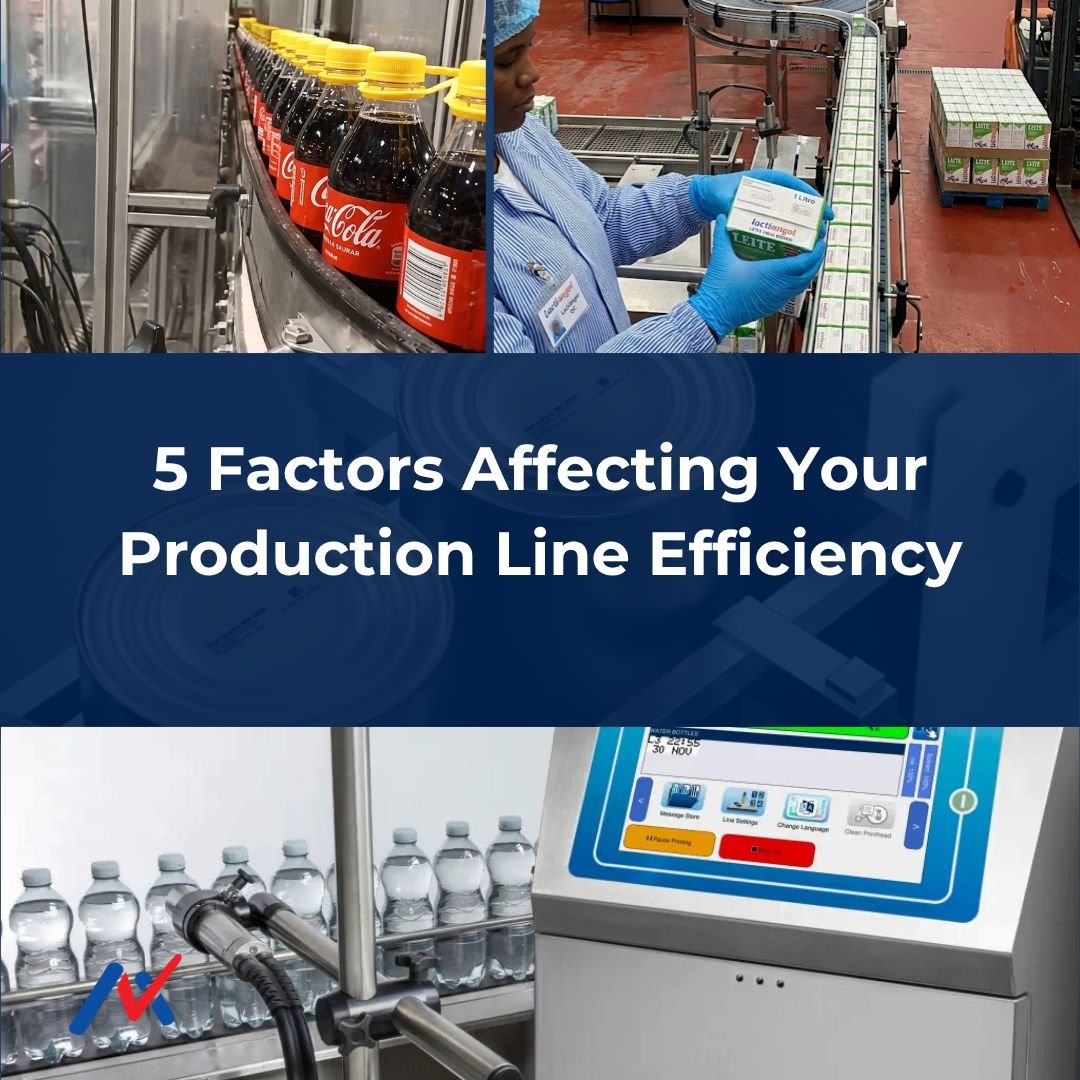
In industrial environments, producing more does not necessarily mean producing better.
An efficient production line is one that can maintain a continuous flow, reduce downtime, minimize waste and ensure product quality while keeping costs under control.
Therefore, before simply trying to increase production speed, it is important to understand the factors that truly influence the performance of a production line.
1. Unplanned Downtime
Downtime is one of the biggest threats to industrial productivity.
An unexpected equipment failure can interrupt the entire production line, cause raw material losses and create delays that affect the production schedule.
Beyond major equipment failures, smaller issues can also have a significant impact when they occur repeatedly throughout the day: frequent adjustments, inadequate cleaning, consumable changes or failures in printing and coding systems.
Preventive maintenance, equipment monitoring and choosing solutions that are appropriate for the production environment are essential to increasing line availability.
2. Production Line Speed
Speed is an important performance indicator, but it should never be analyzed in isolation.
A production line may operate at a high speed and still have low efficiency if it experiences frequent downtime, rejected products or rework.
All equipment must be capable of keeping up with the production rate.
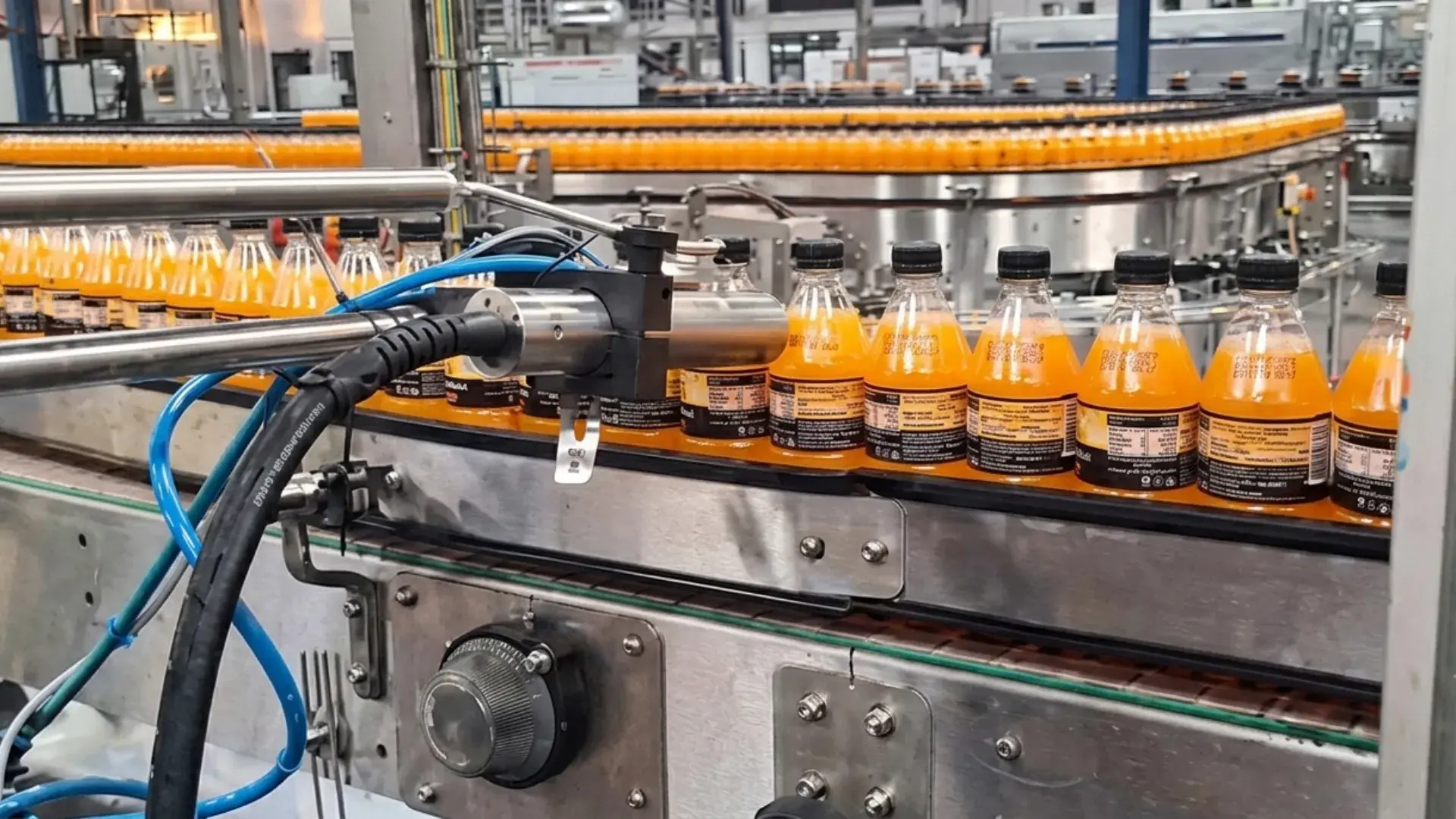
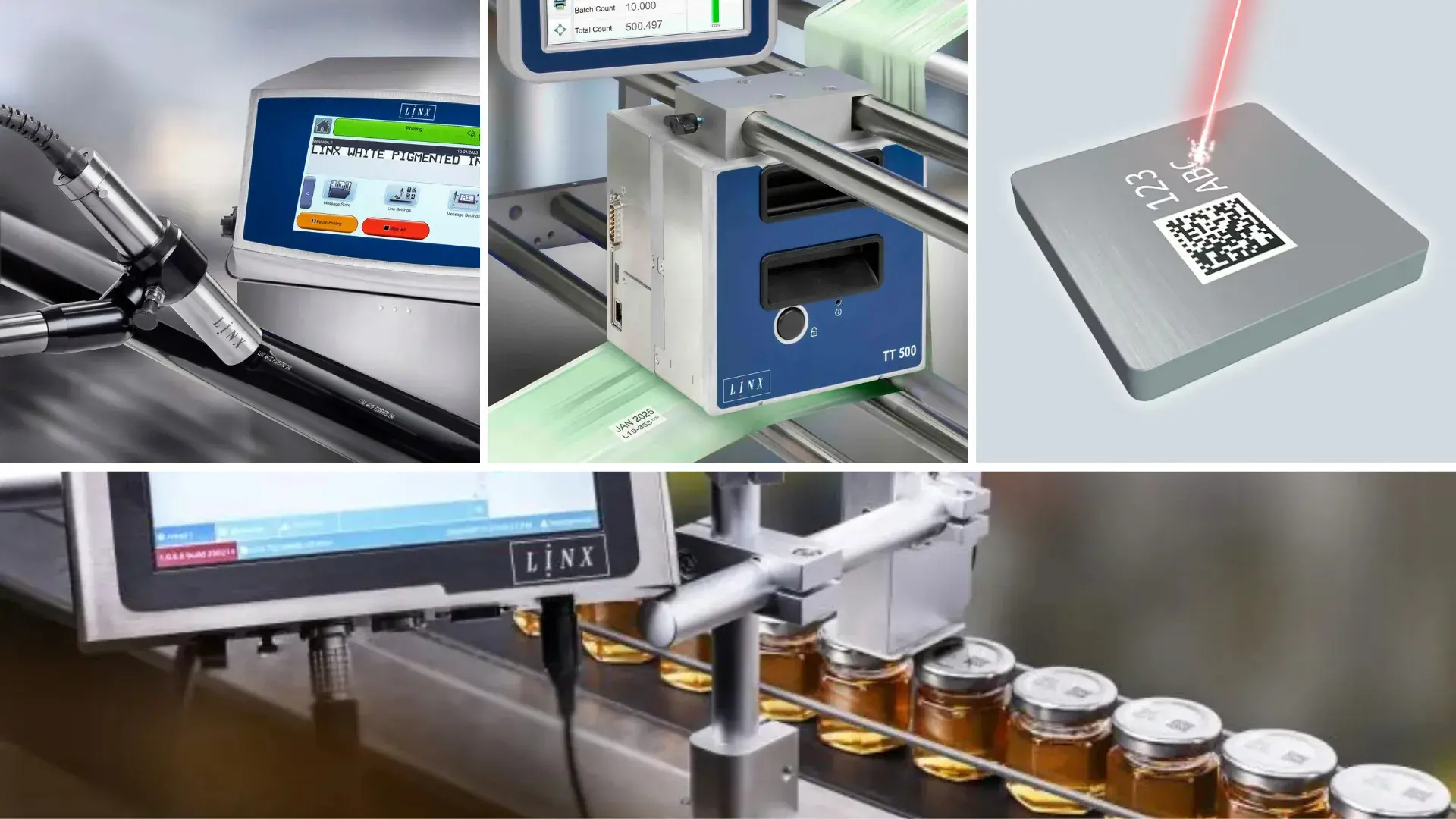
This also includes coding and marking systems. As production speeds increase, the printer must consistently deliver accurate, legible and correctly positioned codes without becoming a bottleneck in the process.
The goal is not simply to produce faster, but to maintain speed, quality and stability at the same time.
3. Production and Coding Errors
A small coding error can become a major problem.
An incorrect expiry date, wrong batch number, unreadable code or missing mandatory information can result in rejected products, rework, waste and, depending on the industry, compliance issues.
As production becomes faster and more automated, controlling this information becomes increasingly important.
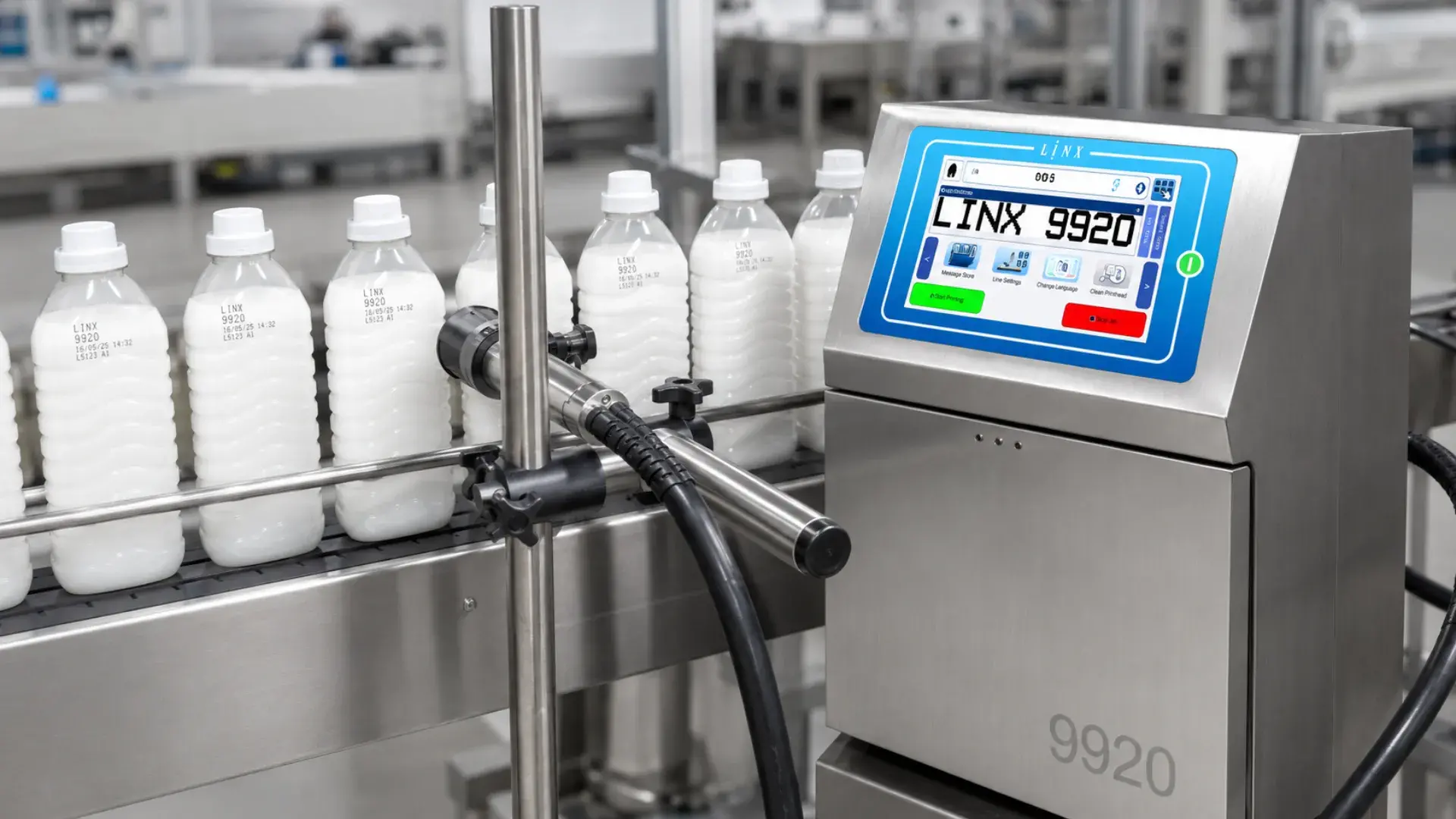
Properly integrated coding and marking solutions can help reduce human error and ensure that the right information is applied to the right product at the right time.
Coding should therefore not be viewed simply as the final stage of production. It is part of the product’s quality control and traceability process.
4. Material and Consumable Waste
Efficiency is also about what is not wasted.
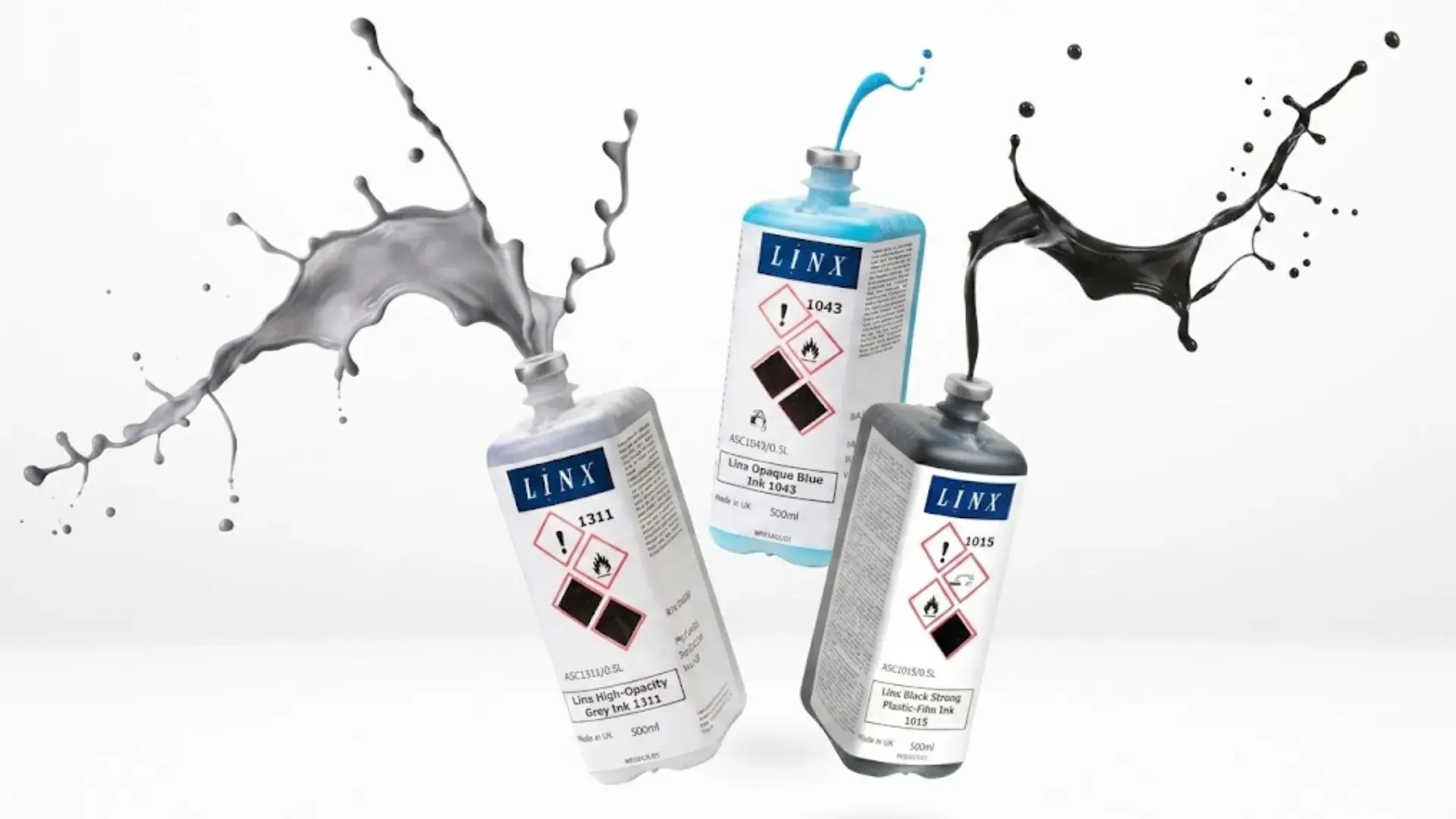
Ink, solvent, packaging materials, raw materials and other consumables represent costs that can increase significantly when processes are inefficient.
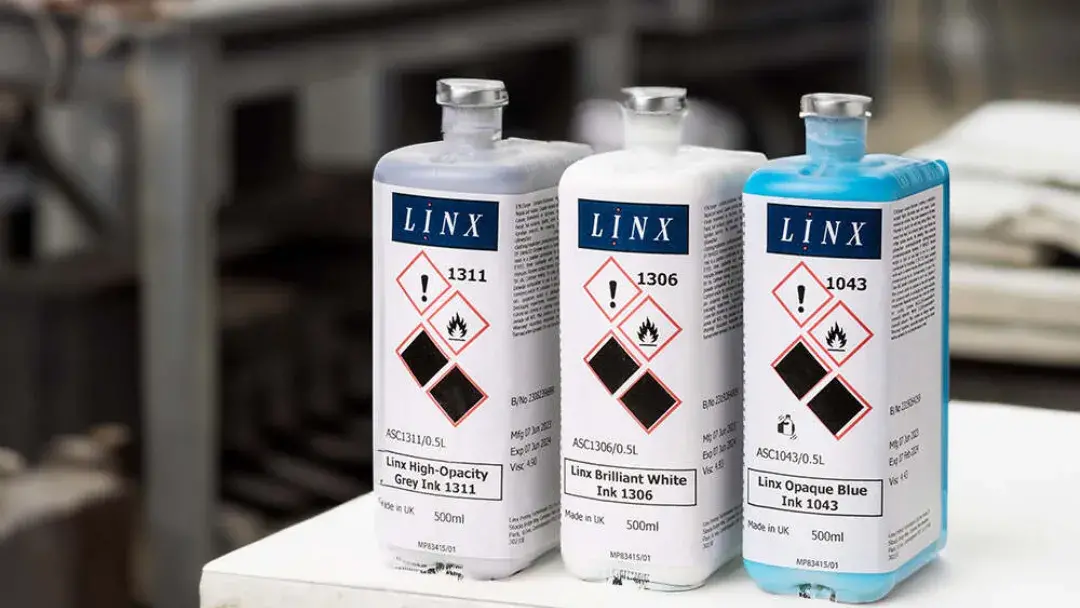
In industrial coding, the choice of technology and printing parameters can directly influence consumption.
A solution suited to the product type, surface, line speed and information being printed can help reduce waste and improve the cost per print.
For this reason, when evaluating a coding solution, companies should look beyond the initial equipment price and consider its operating costs over time.
5. Equipment Maintenance and Availability
A production line depends on the availability of its equipment.
When a machine experiences frequent failures or requires constant intervention, the impact goes beyond that individual piece of equipment. A disruption at one point in the process can affect the entire production operation.
A preventive maintenance strategy helps identify potential problems before they result in unexpected downtime.
In addition, equipment designed for demanding industrial environments, supported by reliable technical assistance and access to consumables, can contribute to greater operational stability.
Efficiency Starts with an Integrated Approach
These five factors are directly connected.
For example, increasing production speed may increase output, but it can also increase the risk of errors if the equipment is not prepared to keep up with the new pace.
Likewise, a printer with a low initial purchase price may become a less efficient solution if it has high consumption, frequent maintenance requirements or a significant impact on line availability.
That is why efficiency should be evaluated from a broader perspective.
Availability + Speed + Quality + Cost Control = A More Efficient Production Line
This is precisely where industrial coding and marking technologies play an important role.
The right solution can help maintain production continuity, ensure accurate product identification, improve traceability and reduce losses associated with errors and waste.
Greater Efficiency. More Control. Better Performance.
In today’s industrial environment, every second of production and every resource used can make a difference.
Properly evaluating equipment, anticipating potential problems, reducing waste and ensuring consistent coding are important steps toward building a more efficient operation that is ready to grow.
At Mark Xtra, we provide industrial coding and marking solutions designed to meet different production requirements, helping businesses improve product identification, traceability and production efficiency.
Because an efficient production line is not simply one that produces more. It is one that produces better.
Mark Xtra — Coding & Marking Solutions That Drive Industrial Performance.