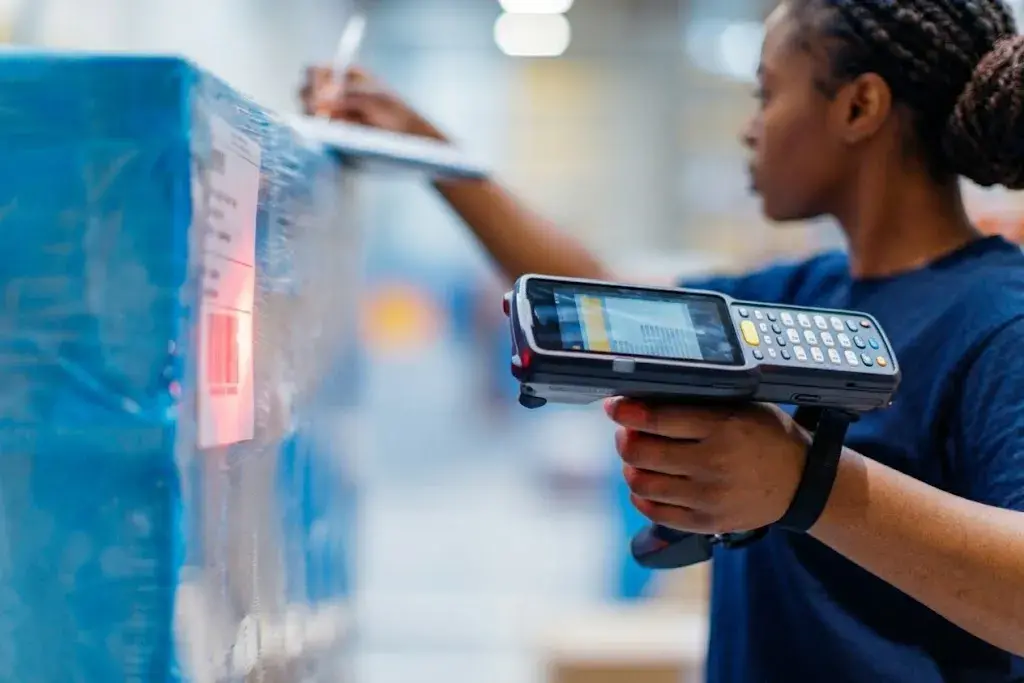
In a production line, coding plays a much more important role than simply printing information on a product. Production and expiry dates, batch numbers, barcodes, QR codes and other variable data help identify products, support traceability and meet quality and regulatory requirements.
However, there is no single coding technology that is suitable for every application.
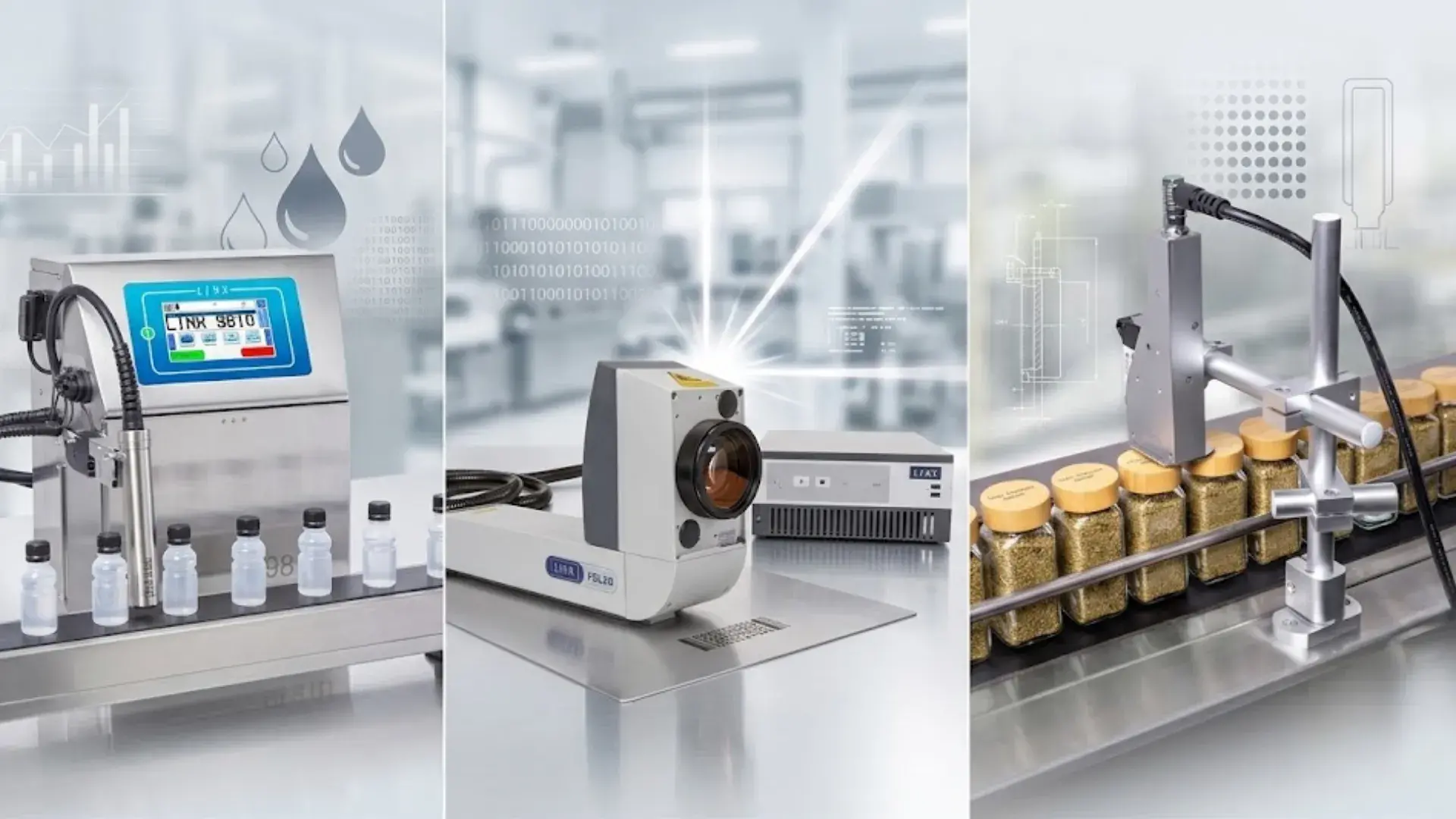
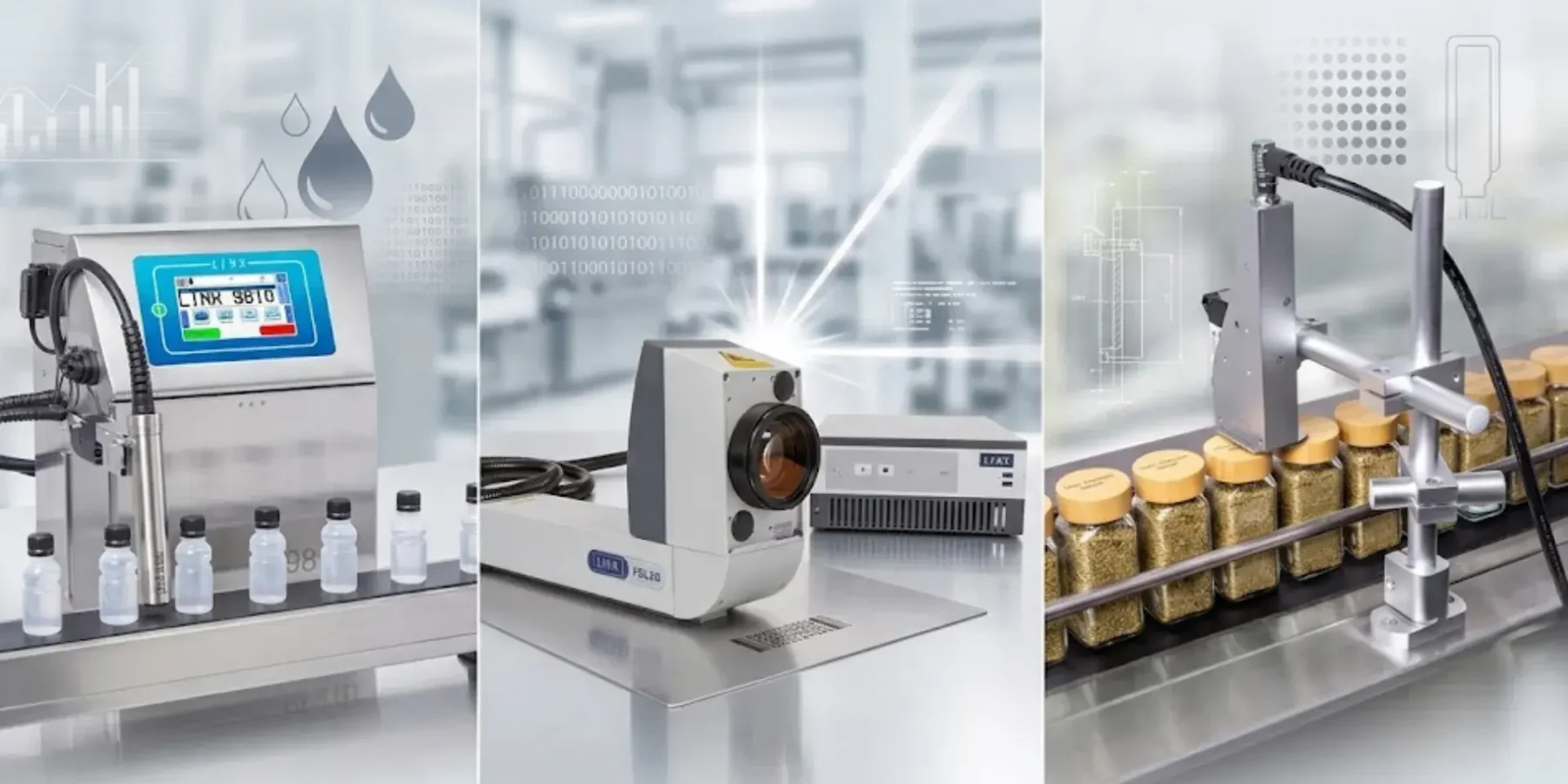
Among the most widely used industrial coding solutions are CIJ (Continuous Inkjet), Laser and TIJ (Thermal Inkjet). Each technology works differently and offers specific advantages depending on the product, surface, production speed, required print quality and operating environment.
So, which one is the right choice for your production line? The answer depends on several factors.
What Is CIJ Technology?
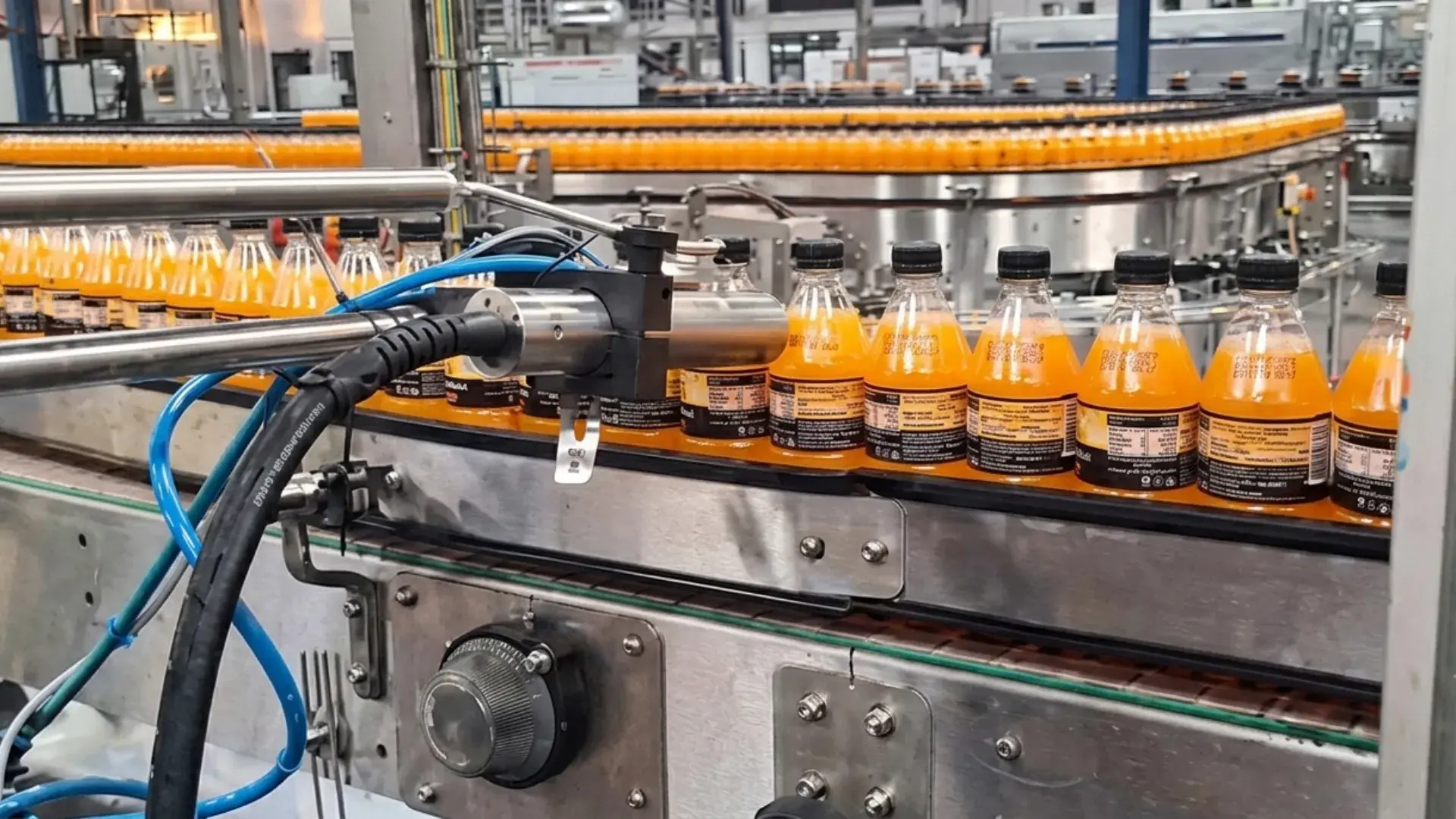
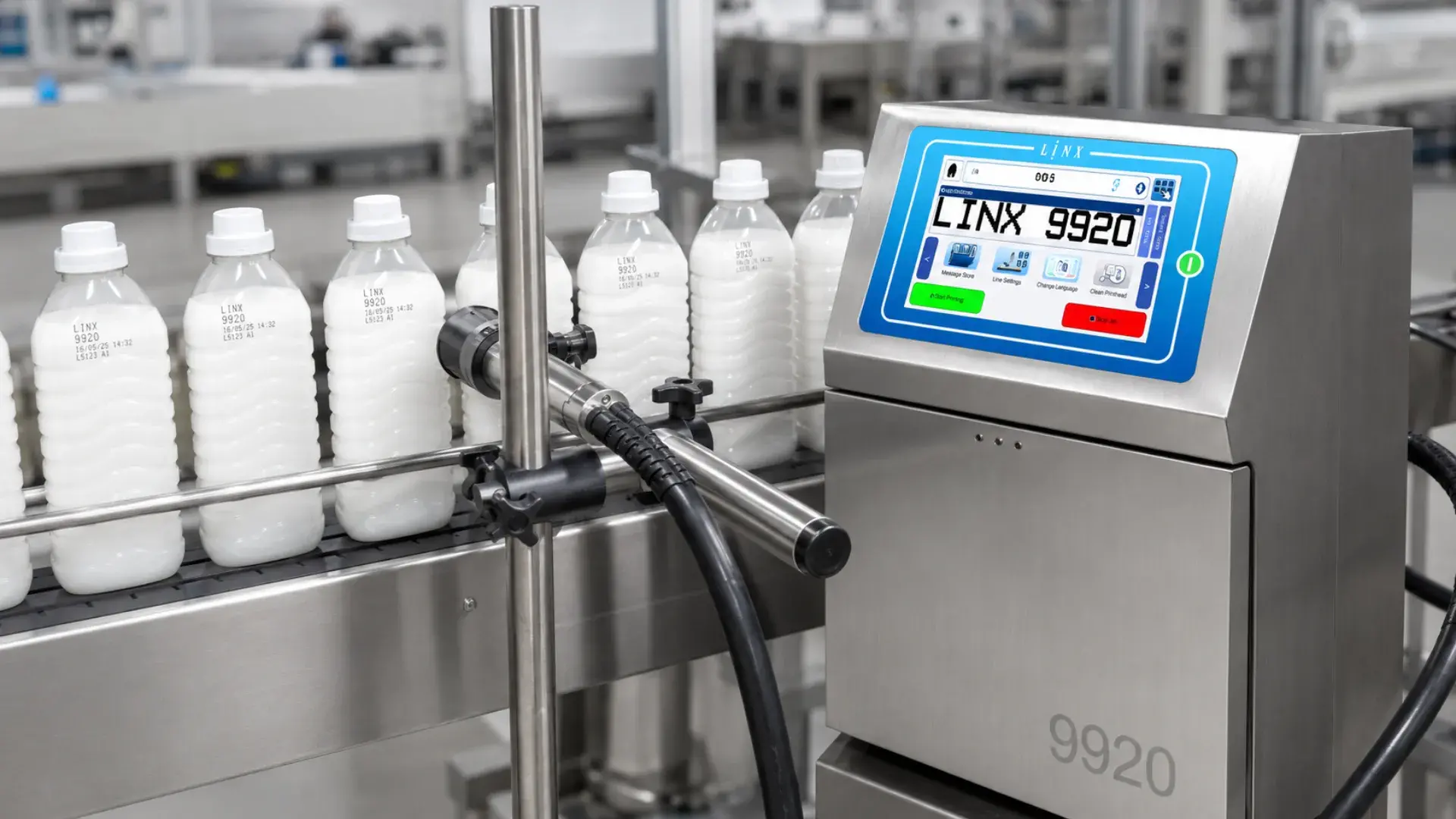
Continuous Inkjet (CIJ) printing uses a continuous stream of tiny ink droplets that are electronically controlled and directed onto the product surface to create characters, numbers and codes.
One of its main advantages is its ability to operate continuously at high speeds, even when products are moving rapidly through the production line.
Key advantages of CIJ
- High-speed printing.
- Suitable for a wide range of materials and surfaces.
- Can print on flat, curved or irregular surfaces.
- Designed for continuous production environments.
- Suitable for dates, batch numbers, text, barcodes and other variable information.
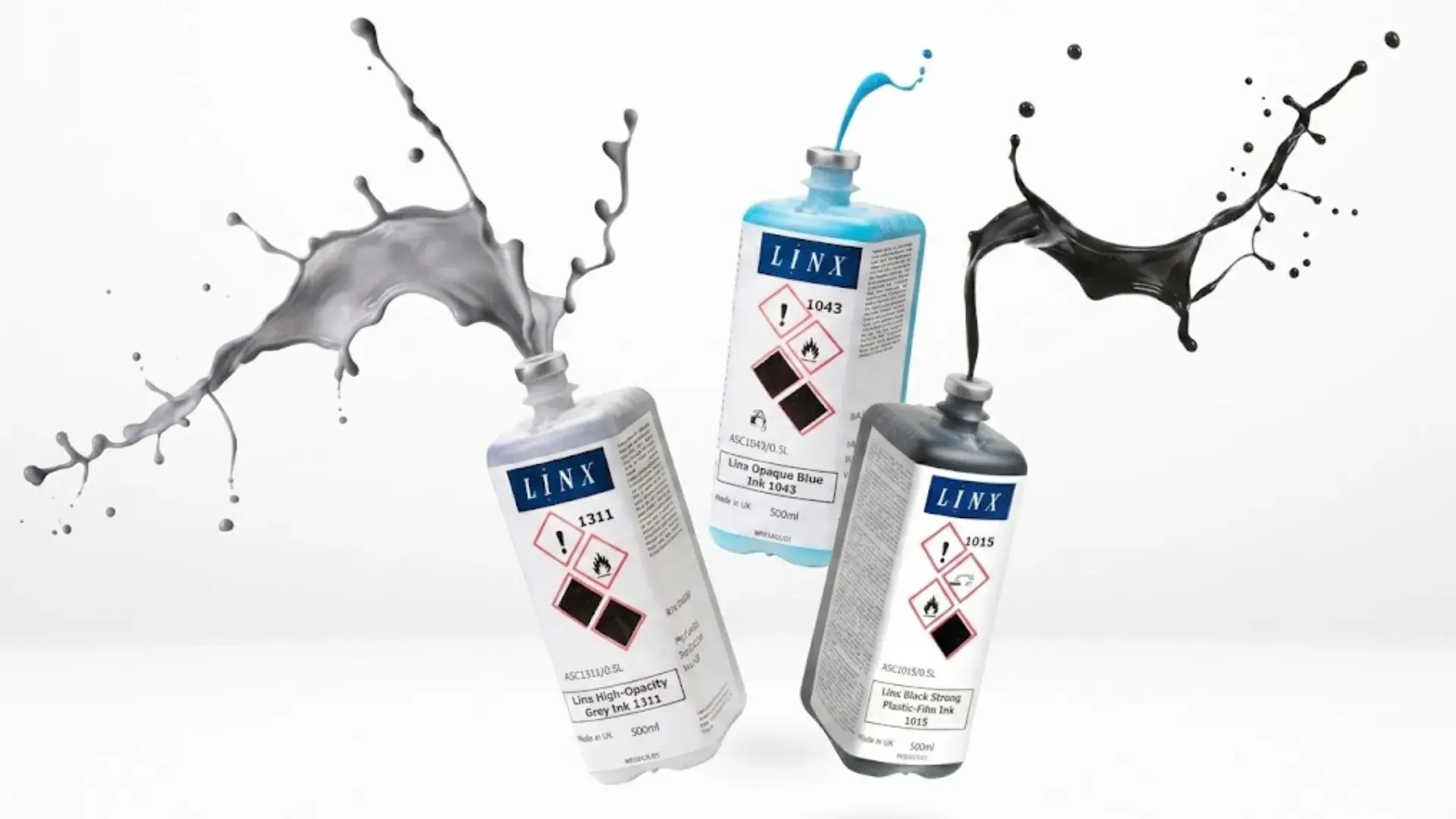
- Different ink formulations are available for specific applications.
Where is CIJ commonly used?
CIJ is widely used in industries such as:
- Food and beverage.
- Pharmaceutical.
- Cosmetics.
- Cable and extrusion.
- Plastics.
- Industrial manufacturing.
- Electronics.
CIJ is particularly well suited to applications where reliable, high-speed coding and flexibility across different surfaces are essential.
What Is Laser Coding?
Unlike CIJ and TIJ, Laser coding does not use ink. Instead, a laser beam is used to modify the surface of the product in a controlled way to create the required mark.
Depending on the material and laser type, the marking process can involve techniques such as surface ablation, color change or engraving.
Key advantages of Laser
- No ink or ink cartridges required.
- Can produce permanent marks.
- High precision.
- Excellent code quality.
- Suitable for applications requiring high resistance to external factors.
- Eliminates certain ink-related consumables.
Where is Laser commonly used?
Laser coding can be used in applications involving:
- Metal components.
- Plastics.
- Cables.
- Electronic products.
- Packaging.
- Automotive components.
- Industrial products.
Laser can be an excellent option when permanence and resistance of the mark are key priorities.
However, selecting the appropriate laser technology requires careful consideration of the material and application.
What Is TIJ Technology?
Thermal Inkjet (TIJ) technology uses tiny heating elements inside the printhead to rapidly create bubbles that eject ink droplets onto the surface.
TIJ is known for delivering high-resolution printing, making it particularly suitable for small text, barcodes and QR codes where sharpness and readability are important.
Key advantages of TIJ
- High print resolution.
- Excellent character definition.
- High-quality barcodes and QR codes.
- Compact design.
- Easy integration into certain production lines.
- Different ink options are available depending on the application.
Where is TIJ commonly used?
TIJ can be particularly suitable for:
- Cardboard and packaging.
- Labels.
- Packaging materials.
- Pharmaceutical applications.
- Food products.
- Applications requiring high-resolution codes.
TIJ stands out when print quality and code definition are critical requirements.
CIJ vs. Laser vs. TIJ: Key Differences
Although all three technologies can be used for industrial coding, there are important differences between them.
| Feature | CIJ | Laser | TIJ |
|---|---|---|---|
| Ink required | Yes | No | Yes |
| High-speed production | ⭐⭐⭐⭐⭐ | ⭐⭐⭐⭐ | ⭐⭐⭐⭐ |
| Resolution | ⭐⭐⭐ | ⭐⭐⭐⭐⭐ | ⭐⭐⭐⭐⭐ |
| Permanent marking | Depends on ink | ⭐⭐⭐⭐⭐ | Depends on ink |
| Surface versatility | ⭐⭐⭐⭐⭐ | ⭐⭐⭐⭐ | ⭐⭐⭐ |
| High-definition codes | ⭐⭐⭐ | ⭐⭐⭐⭐⭐ | ⭐⭐⭐⭐⭐ |
| Consumables | Ink + other consumables | Primarily none related to ink | Cartridges |
| Continuous production | Excellent | Excellent | Excellent |
Note: Actual performance depends on the equipment, ink or laser system, material, production speed and operating conditions. This comparison is therefore intended as a general guide rather than an absolute technical specification.
5. How Do You Choose the Right Coding Technology?
Choosing a coding technology should not be based solely on the initial price of the equipment.
Before making a decision, it is important to evaluate several factors.
1. Product Material
Are you printing on plastic, glass, metal, cardboard, paper, cable or another material?
The surface can determine which technology and consumable will deliver the best results.
2. Production Speed
A production line manufacturing thousands of products per hour may require a coding solution capable of maintaining consistent print quality without becoming a bottleneck.
3. Type of Code
Printing an expiry date is very different from printing a high-resolution QR code.
Consider whether you need:
- Text.
- Batch numbers.
- Dates.
- Barcodes.
- QR codes.
- Logos.
- Variable information.
4. Code Durability
Will the product be exposed to water, humidity, oil, chemicals, abrasion or high temperatures?
In these situations, selecting the appropriate technology and, particularly, the right ink or marking system is essential.
5. Print Quality and Resolution
When you need to print small characters, detailed information or codes that must be reliably read by automated systems, resolution becomes especially important.
6. Total Cost of Ownership
The initial equipment price is only one part of the overall cost.
You should also consider:
- Consumables.
- Maintenance.
- Cleaning.
- Downtime.
- Energy consumption.
- Spare parts.
- Equipment lifespan.
The solution with the lowest purchase price is not necessarily the most cost-effective solution in the long term.
6. So, CIJ, Laser or TIJ?
There is no universal winner.
Each technology is better suited to specific production requirements.
Choose CIJ when…
You need high speed, flexibility and the ability to print on a wide variety of surfaces in a continuous production environment.
Consider Laser when…
Your priority is a permanent and highly resistant mark, particularly in applications where eliminating ink-based consumables is advantageous.
Consider TIJ when…
You need high-resolution, sharp and easily readable codes, particularly for suitable packaging and product surfaces.
The Right Technology Depends on Your Application
Choosing an industrial coding system should not simply mean comparing three machines.
The real question is:
What does your production line actually need?
Material, production speed, code type, resolution, environmental conditions, durability and total operating costs should all be evaluated together.
At Mark Xtra, we help businesses evaluate these factors and identify coding and marking solutions adapted to their specific production requirements.
Because the right technology does more than print a code — it contributes to a more efficient, identifiable and traceable production process.
Need Help Choosing the Right Coding Technology?
Not sure whether CIJ, Laser or TIJ is the best solution for your application?
Contact Mark Xtra and let us help you evaluate your production requirements and find the right coding and marking solution for your line.