In industrial production, every printed code represents a small but important cost. Batch numbers, expiry dates, barcodes, QR codes and other product information must be printed clearly and consistently—often at high speeds and for thousands of products every day.
While ink consumption is a necessary part of coding and marking, unnecessary ink waste can increase operating costs and reduce production efficiency.
The good news is that several factors can be optimized to control ink consumption without compromising print quality.
1. Optimize Your Printer Settings
Printer configuration has a direct impact on ink consumption.
Parameters such as print height, character size, resolution, number of lines, print speed and the distance between the printhead and the product should be adjusted according to the application.
Using more ink than necessary does not necessarily produce a better code. In many cases, an optimized configuration can deliver the required readability and quality while reducing the amount of ink used per product.
The goal is simple: use only the ink required to achieve a clear and reliable code.
2. Keep the Printhead Clean
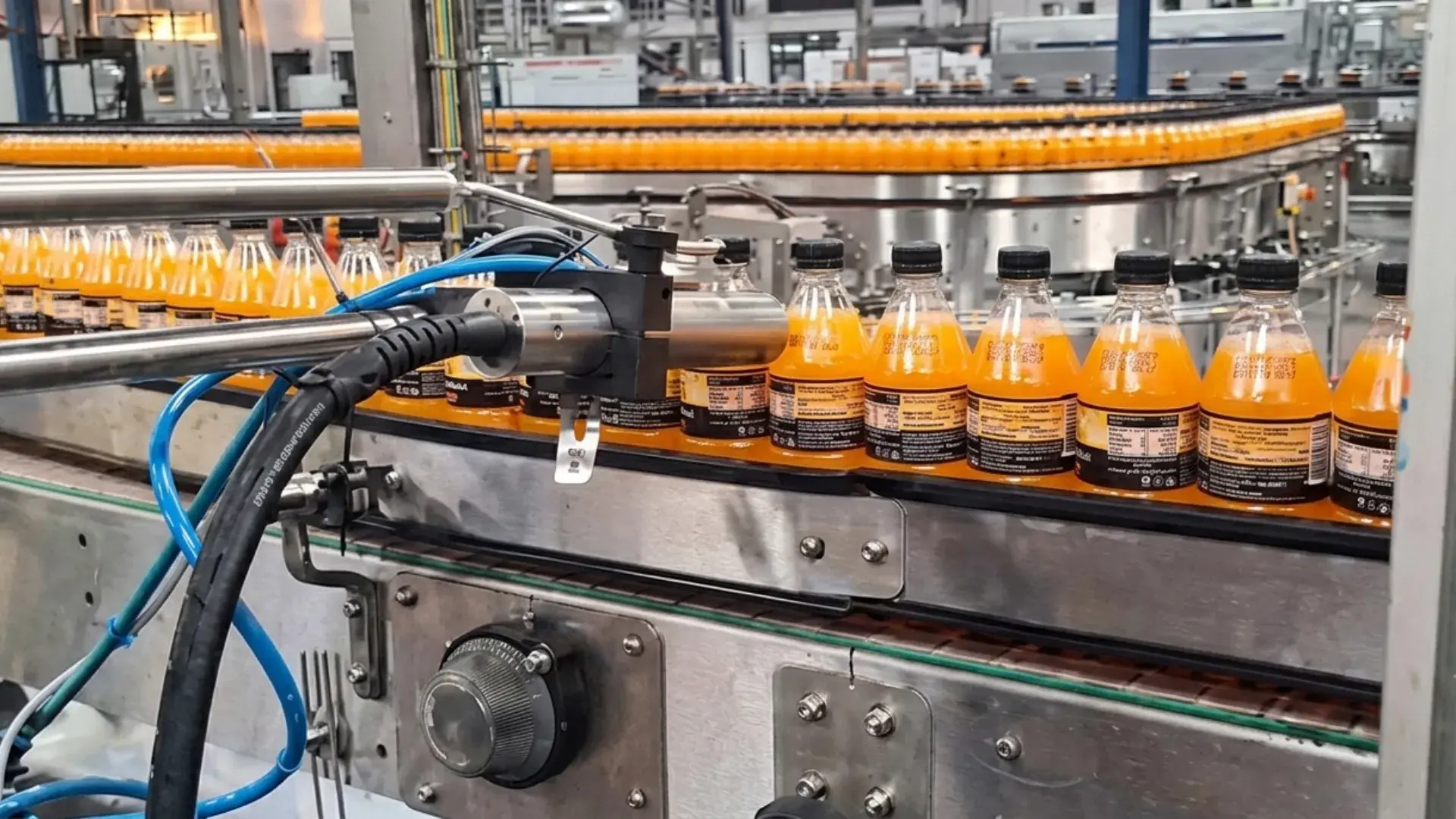
The printhead is one of the most critical components of a continuous inkjet (CIJ) printer.
Ink residue, dust or dried ink can affect the performance of the printhead and lead to poor-quality or inconsistent codes. When this happens, operators may need to clean the system more frequently or reprint products, increasing ink consumption.
Regular cleaning and proper maintenance help keep the printhead operating efficiently and ensure consistent print quality.
3. Follow a Preventive Maintenance Program
Waiting until a printer develops a problem can result in higher costs and unexpected production downtime.
Preventive maintenance allows potential issues to be identified before they affect the production line. Filters, ink systems, printheads and other critical components should be inspected and maintained according to the manufacturer’s recommendations.
A well-maintained printer is more likely to deliver consistent performance, fewer interruptions and more controlled ink consumption.
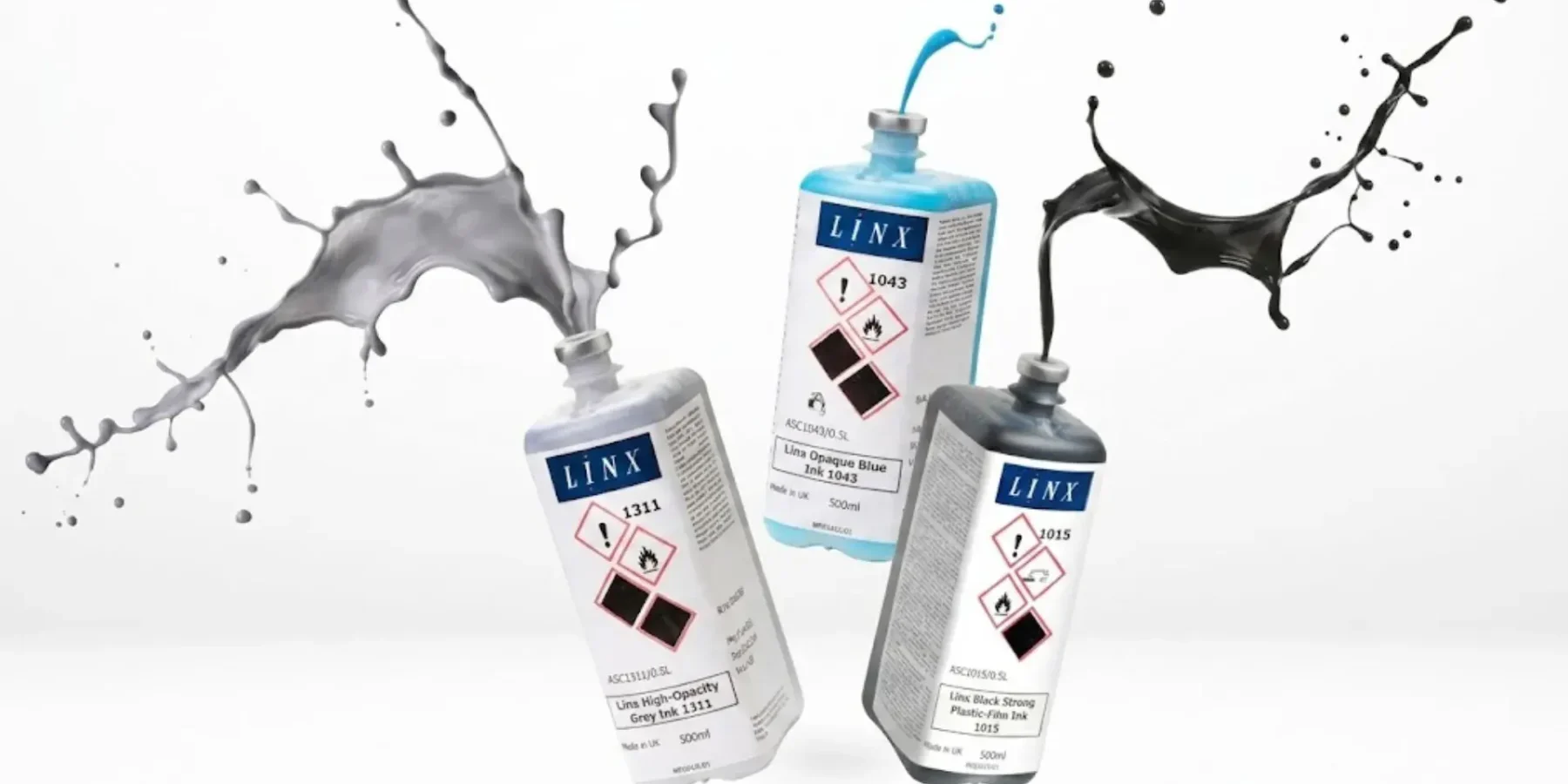
4. Choose the Right Ink for the Application
Not every production environment requires the same type of ink.
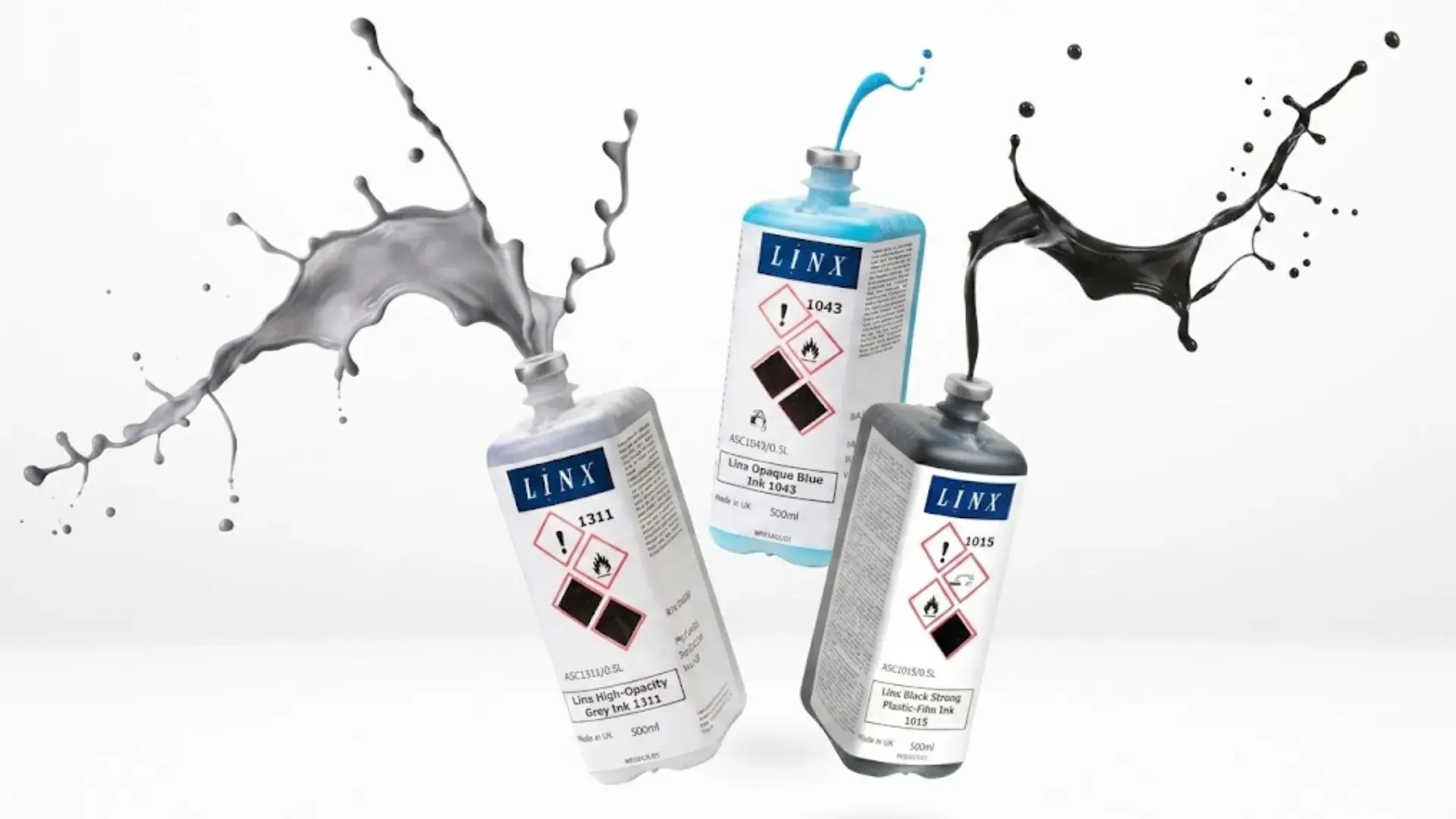
The substrate, production speed, drying requirements, environmental conditions and resistance requirements should all be considered when selecting an ink.
Using the correct ink helps ensure good adhesion, fast drying and reliable print quality. An unsuitable ink may lead to poor adhesion, blurred codes or the need for additional printing and cleaning.
The right ink is not simply a consumable—it is part of the overall efficiency of the coding process.
5. Optimize the Code Design
The amount of information printed on each product also affects ink consumption.
Before adding unnecessary characters, lines or oversized fonts, consider what information is actually required for identification, traceability and regulatory compliance.
Optimizing character height, font size, number of lines and other print parameters can reduce the amount of ink used per code while maintaining readability.
A well-designed code can therefore contribute to lower consumption across the entire production run.
6. Control the Production Environment
Environmental conditions can also influence ink and solvent consumption.
Temperature, humidity, dust and ventilation may affect ink performance and evaporation. In certain environments, excessive solvent evaporation can increase consumption and require more frequent replenishment.
Maintaining suitable operating conditions and monitoring the printer’s environment can help improve stability and reduce unnecessary consumption.
7. Choose the Right Coding Technology
Reducing ink waste is not only about adjusting the printer. It also starts with selecting the right technology for the application.
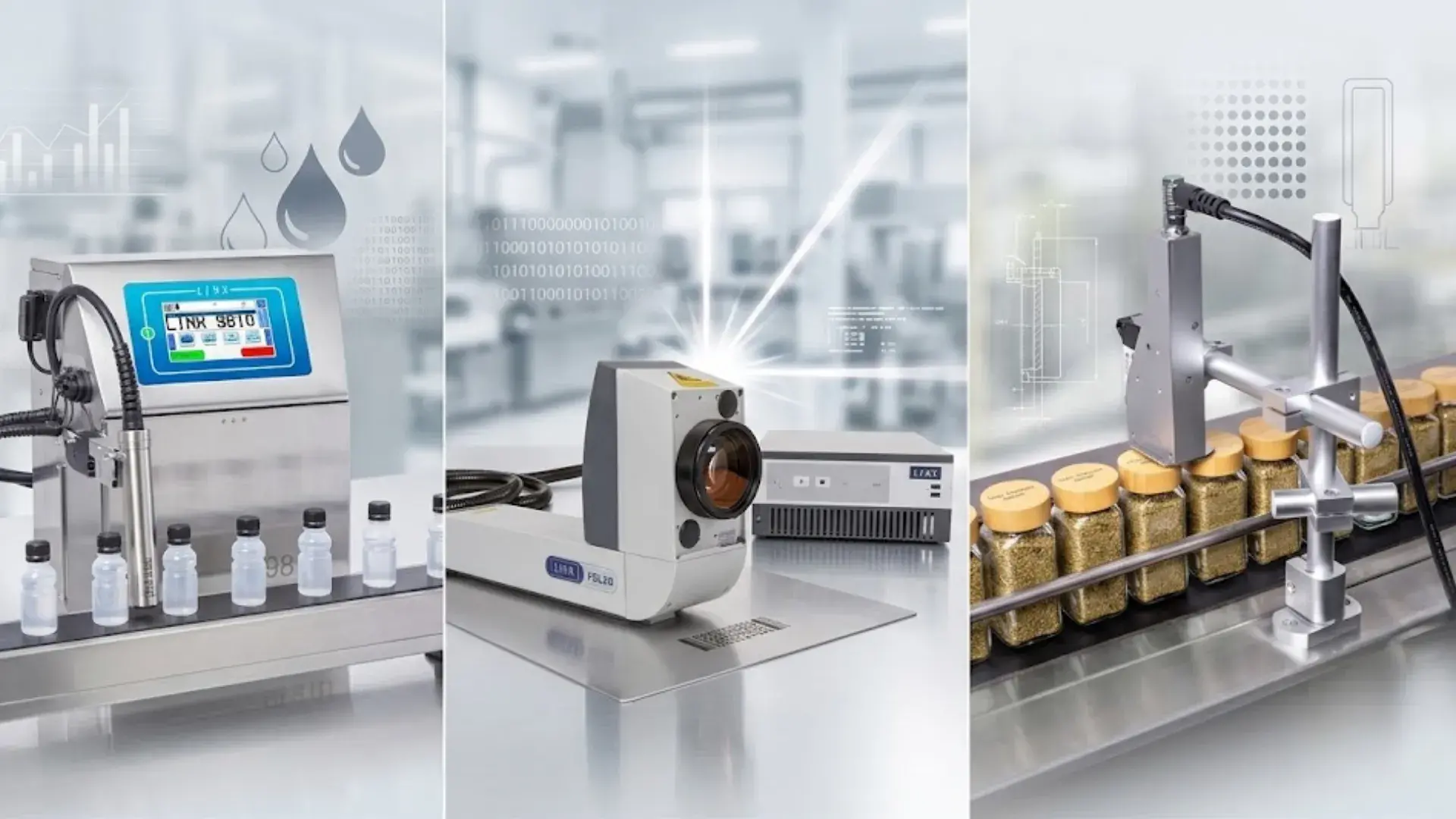
Continuous Inkjet (CIJ), laser, Thermal Inkjet (TIJ), Thermal Transfer Overprinting (TTO) and other technologies each have different advantages depending on the substrate, production speed, code requirements and operating environment.
The right technology can help manufacturers achieve the required print quality and traceability while optimizing operating costs.
Small Improvements Can Make a Big Difference
Ink consumption may seem like a small operational detail, but when a production line prints thousands or millions of products, even a small reduction in consumption can have a significant impact over time.
By optimizing printer settings, maintaining the equipment, choosing the right ink, improving code design and selecting the appropriate coding technology, manufacturers can reduce unnecessary waste while maintaining reliable and consistent product identification.
At Mark Xtra, Efficiency Starts With the Right Solution
At Mark Xtra, we provide coding and marking solutions designed to meet the specific requirements of industrial production lines.
From CIJ and laser to TIJ, TTO and DOD technologies, our goal is to help manufacturers improve coding quality, traceability and production efficiency.
Because reducing waste is not about printing less. It’s about printing smarter.